

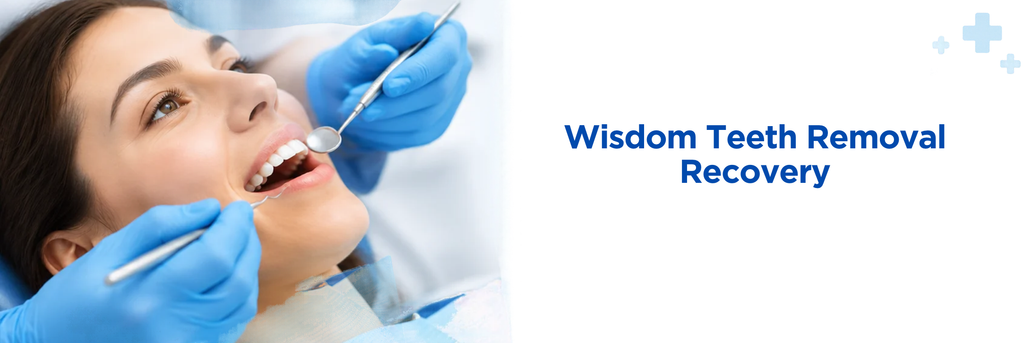
Getting a wisdom tooth out is a common procedure, and most people have the same worry afterward: what is the healing going to feel like? Knowing what to expect makes the first week much less stressful.
This guide walks through a typical recovery, the food that helps, and the habits that protect the healing site. Every mouth heals a little differently, so your dentist’s own instructions always come first.
Many people put off the decision because they fear the recovery more than the procedure. That worry is normal, and it is easier to handle with a plan. A little preparation before your appointment can make the days after feel much calmer.
Why Do Wisdom Teeth Need to Come Out?
Wisdom teeth usually appear between the ages of 17 and 21. They often affect nearby teeth as they develop. Some become impacted, and some come in sideways. Teeth like these are often extracted.
Dentists also remove wisdom teeth that could cause trouble later. Food can get trapped behind them where brushing and flossing are hard. That can lead to painful infections. A misaligned tooth can also rub the tongue or cheek and add to crowding.
Impacted wisdom teeth fall into four types:
- Mesioangular (44%): The most common type, angled toward the front of the mouth.
- Vertical (38%): The tooth does not fully break through the gum line.
- Distoangular (6%): Angled toward the back of the mouth.
- Horizontal (3%): The least common type, lying fully sideways and growing into the roots of the second molar.
Common Side Effects After Extraction
Any tooth extraction can bring side effects. Common ones include:
- Pain and swelling in the gums and the socket
- Trouble opening the jaw, or pain when you do
- Slow-healing gums
- Damage to dental work, such as crowns or bridges, or to the roots of a nearby tooth
- A painful inflammation called dry socket
Wisdom Teeth Recovery Timeline: Day by Day
Healing follows a general pattern. Your own pace may be faster or slower, so treat these steps as a rough guide.
Day 1: The First 24 Hours
A blood clot forms in the empty socket. This clot protects the area underneath, so the goal is to leave it alone. Rest, keep activity light, and follow the instructions your dentist gives you.
Days 2 and 3: Swelling Often Peaks
Many people notice the most swelling in the cheeks and jaw during these days. Some tenderness is common. Soft foods are the easiest to manage now.
Days 4 to 7: Slow Improvement
Swelling and soreness usually begin to ease, and the jaw loosens up. If you had stitches, ask your dentist whether they dissolve on their own or need to be removed.
Week 2 and Beyond
The gum continues to close over the socket. Daily life often feels normal again, though deeper healing carries on for weeks. Keep your follow-up visit if one was scheduled.
What to Eat After Wisdom Teeth Removal
Good food keeps you nourished and keeps the site from being scratched or irritated. In the first few days, think soft and gentle.
Good choices:
- Yogurt, applesauce, and mashed potatoes
- Blended soups, cooled to room temperature
- Scrambled eggs
- Soft oatmeal, once chewing feels easier
Foods and drinks to skip at first:
- Crunchy foods such as chips, nuts, and hard crackers
- Small seeds, which can lodge in the socket
- Spicy or acidic foods, which can irritate healing gums
- Drinks through a straw, since suction may disturb the clot
Add firmer foods back slowly as your jaw feels better.
What Is Dry Socket?
Dry socket is a painful inflammation that can follow any tooth extraction. It is listed among the common side effects of extraction.
It is linked to the blood clot. If the clot is lost too early, the socket is left exposed, and that can cause strong discomfort. For that reason, protecting the clot is the main focus of the first days.
How to Avoid Dry Socket
These habits help protect the clot:
- Leave the site alone: Keep your tongue, fingers, and toothpicks away from it.
- Skip suction: Avoid straws, smoking, and forceful spitting while the area heals.
- Rinse gently: Do not swish hard, and keep your toothbrush away from the socket.
- Follow your instructions: Your dentist can tailor advice to your procedure.
If your pain gets worse instead of better as the days pass, call your dentist’s office. Do not wait it out.
Questions to Ask Before Your Procedure
A short list can save you worry later. Consider asking:
- What should I expect on each day of healing?
- Which foods are safe for me, and for how long?
- How should I care for the extraction site?
- What signs mean I should call you?
- When is my follow-up visit?
Care at Illinois Dental Center
Illinois Dental Center is located at 35 Huntington Ln in Wheeling, IL. Here is what patients can expect from the practice:
- A broad team: The dentists bring a wide range of expertise and work together so each patient has access to advanced procedures.
- Ongoing training: The doctors pursue advanced continuing education to offer current dental treatment.
- Long experience: Dr. Jacob Lake, the founder, has practiced dentistry in Illinois for over 30 years.
- A thorough first visit: The team performs a full examination of your dental condition.
- Time to talk: Appointments leave room to discuss your treatment needs and concerns.
- Plans built around you: Treatment is based on your specific dental problem.
Insurance support. The office accepts major dental insurance plans, is affiliated with most dental PPO networks, and can help with insurance questions.
Summary
Wisdom teeth usually appear between ages 17 and 21, and they are often removed when impacted or likely to cause problems. Recovery usually starts with a protective blood clot on day 1.
Swelling often peaks around days 2 and 3, then eases through the first week. Soft foods, no straws, no smoking, and gentle rinsing help protect the site and lower the chance of dry socket.
Most importantly, follow the instructions your dentist gives you. They know your case test.

Leave A Comment